
Kenyan SMEs operate in one of the world's most mobile-first economies. With WhatsApp adoption among internet users near 97% and M-Pesa processing hundreds of billions in transactions annually, customers already expect instant, seamless interactions. Yet many businesses still lose revenue to slow responses, missed follow-ups, no-shows, and manual processes that consume staff time.
A real estate agency in Nairobi might receive 40 property inquiries on a Saturday via WhatsApp and calls — but only respond to half by Monday. A clinic in Kisumu or Eldoret might see 20-30% of booked appointments become no-shows because reminders are manual or inconsistent. A professional services firm or SACCO spends hours every week answering the same questions about pricing, documents, or payment processes.
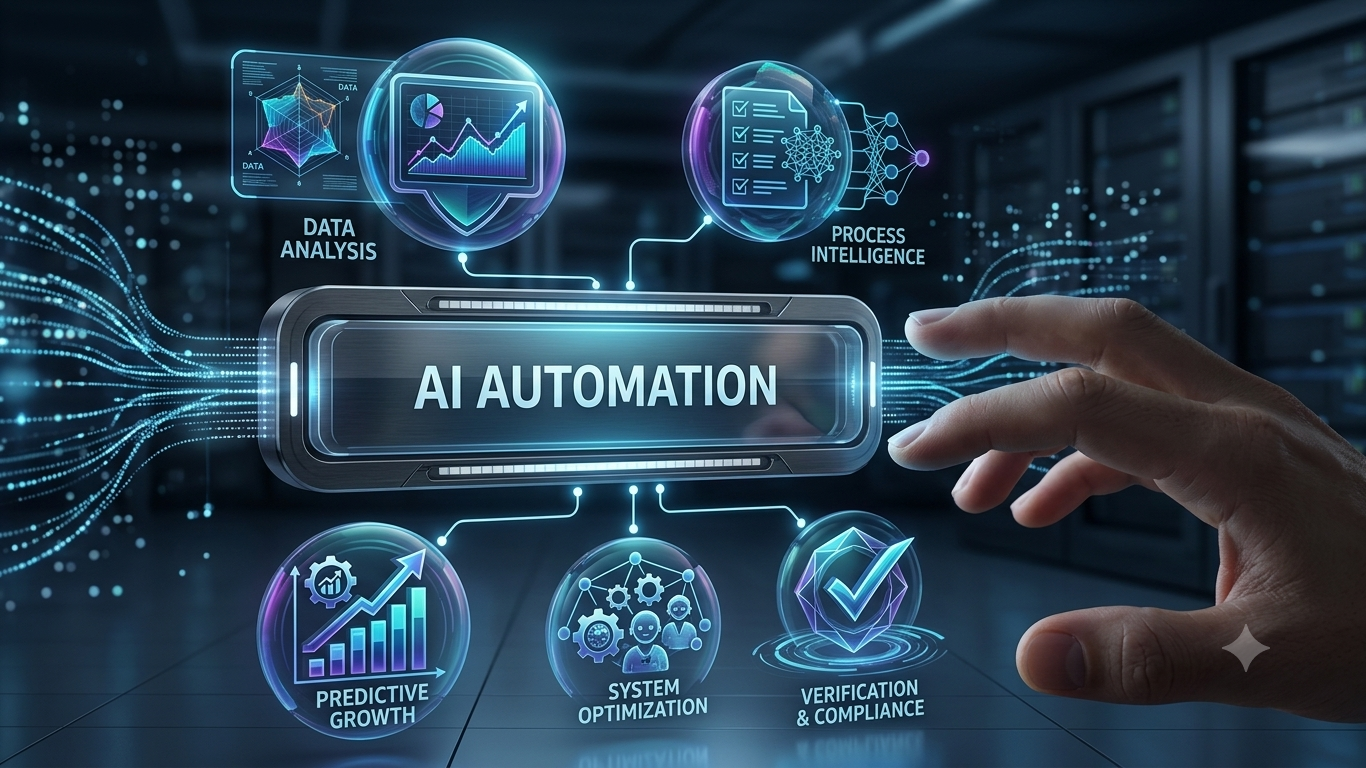
AI automation for Kenyan SMEs changes this equation. It is not about hype or replacing people. It is about building connected revenue systems — intelligent layers on top of the tools you already use (WhatsApp, M-Pesa, calendars, basic accounting) that capture every lead, reduce friction, automate follow-up, and give you real-time visibility into performance.
When implemented well, these systems deliver measurable outcomes: faster lead response, recovered revenue from previously missed opportunities, fewer no-shows, dozens of staff hours saved weekly, and payback periods often measured in months rather than years. This guide covers exactly what works in the Kenyan context in 2026, which pillars deliver the fastest results for different business types, a practical implementation roadmap, and how to measure true ROI.
Why Kenyan SMEs Need AI Automation Now
Kenya has over 7.4 million MSMEs, the vast majority micro or small, employing nearly 15 million people and contributing 33-40% of GDP. The digital tailwinds are strong: high mobile penetration, dominant mobile money usage (over 90% of retail digital payments), and WhatsApp as the default business communication channel.
Yet operational realities create revenue leaks. Manual processes dominate — spreadsheets for tracking leads and payments, phone calls or texts for reminders, and staff spending large portions of their day on repetitive queries. Lead response times often stretch into hours or days. Appointment no-shows in healthcare and professional services commonly range from 15-30% (higher in some settings), directly hitting revenue.
At the same time, AI adoption among small businesses is accelerating rapidly. Those who move early are seeing compounding advantages in efficiency and growth capacity. The businesses that treat automation as core revenue infrastructure — rather than a side project — are building lasting edges in competitive local markets.
The Five Pillars of AI Automation for Kenyan SMEs
Effective AI automation in Kenya connects five core capabilities around how businesses actually operate here.
1. WhatsApp and Web AI Chatbots
Most customer interactions in Kenya start or live on WhatsApp. An AI chatbot qualifies leads 24/7, answers common questions (pricing, availability, process, M-Pesa payments), books appointments or viewings, and hands off warm leads to humans with full context.
Local outcomes: Instant response captures after-hours and weekend inquiries that would otherwise go cold. One Nairobi real estate SME using a well-configured WhatsApp chatbot saw previously missed leads convert into viewings and closed deals worth over KES 1 million in the first quarter after implementation. Clinics use chatbots to handle rescheduling requests automatically, freeing reception staff.
Practical tip: Map your top 8-12 most common inquiries and lead paths first. Integrate the chatbot with your calendar and a simple CRM so no conversation is lost. Start with WhatsApp Business API for scale and professionalism.
2. AI Voice Receptionists
Many high-value inquiries still arrive by phone — especially in healthcare, real estate, legal, and consulting. An AI voice receptionist answers calls, handles routine questions, books or reschedules appointments, sends confirmations and reminders via WhatsApp or SMS, and logs everything.
Local outcomes: Dramatically reduces no-shows through automated, personalised reminders and easy rescheduling. Staff are freed from constant phone answering while callers still receive a professional, helpful experience (with seamless human handoff for complex cases).
Practical tip: Choose systems that work reliably even with variable connectivity and support natural Kenyan English, Swahili where needed, and context-aware conversations. Test call flows thoroughly before full rollout.
3. Automated CRM Systems
A modern CRM for Kenyan SMEs is not just a contact database. It intelligently scores and routes leads, triggers automated follow-up sequences across WhatsApp, email, and SMS, manages pipelines, and ensures nothing falls through the cracks.
Local outcomes: Higher conversion rates because hot leads are nurtured automatically. Better visibility into where deals are stalling. For SACCOs and financial services, it streamlines member queries, document collection, and compliance logging.
Practical tip: The highest-ROI CRMs integrate directly with your chatbot and voice systems so every conversation feeds the pipeline automatically. Avoid standalone tools that create data silos.
4. Real-Time Business Dashboards
Most Kenyan SME owners make critical decisions with incomplete or outdated information. A well-designed dashboard shows leads by source and stage, response times, conversion rates, no-show trends, revenue pipeline, and even M-Pesa reconciliation status — updated automatically.
Local outcomes: Spot problems early (e.g., response times creeping up or a marketing channel underperforming). Make faster, better decisions without hiring expensive analysts. One professional services firm discovered through dashboard data that 60% of their pipeline was stuck at the proposal stage — a fixable process issue invisible before.
Practical tip: Start with the 5-7 metrics that directly tie to revenue and cash flow. Dashboards should be simple enough for the owner to check daily on a phone.
5. Answer Engine Optimization (AEO)
While traditional SEO still matters, more potential customers are asking AI tools (ChatGPT, Perplexity, Google AI Overviews, Gemini) direct questions: “Best real estate agency in Westlands that responds fast on WhatsApp?” or “How to reduce clinic no-shows in Nairobi?”
AEO structures your content, FAQs, case studies, and local signals so AI engines cite or surface your business as the authoritative answer.
Local outcomes: Higher visibility in AI-driven discovery without relying solely on paid ads. Builds long-term authority and trust. Your own website and content become proof assets that attract the right clients.
Practical tip: Create clear, structured answers to the exact questions your ideal customers ask. Maintain consistent business information across directories. Publish original, experience-backed content (not generic AI fluff).
Which Pillar Should You Start With?
Use this quick decision guide:
- Real Estate agencies — Start with WhatsApp Chatbot + CRM integration (fastest lead capture and response wins).
- Healthcare clinics & medical practices — Start with AI Voice Receptionist + automated reminders + basic dashboard (biggest no-show and admin impact).
- Professional services & consultants — Start with Chatbot + Automated CRM (qualification and follow-up automation).
- SACCOs and financial services — Consider a connected stack (chat + voice + CRM + dashboard) for query volume and compliance needs.
Most SMEs see meaningful results within 4-12 weeks when they start focused and integrate properly.
6-Step Implementation Roadmap for Kenyan SMEs
- Audit your revenue leaks — Map how leads currently enter, how long responses take, where follow-ups drop, and what repetitive tasks consume staff time. (Our free AI Readiness Snapshot does this systematically.)
- Choose one high-ROI starting pillar based on your biggest pain and business type.
- Select integrated tools that work with WhatsApp Business API, M-Pesa flows, Google/Outlook calendars, and any existing accounting software. Avoid fragmented point solutions.
- Prepare your data and processes — Clean contact lists, define clear qualification criteria, document your standard answers and workflows.
- Pilot, measure, and train — Run a controlled pilot with one champion on your team. Track baseline vs. new metrics (response time, conversion, hours saved, no-shows). Train the team on the new workflows so they see it as a multiplier, not a threat.
- Iterate and expand — Once the first pillar proves value, add the next. Document everything so the system does not depend solely on the founder.
Local considerations: Factor in occasional connectivity or power challenges by choosing resilient providers with good fallbacks. Prioritise solutions that handle bilingual or code-mixed communication naturally. Ensure compliance with the Kenya Data Protection Act from day one (consent, data processing agreements, secure handling).
Measuring Real ROI
Track these outcome-focused metrics:
- Average lead response time (target: under 5 minutes)
- Lead-to-appointment or quote conversion rate
- No-show or cancellation rate
- Revenue attributed to automated channels or recovered leads
- Staff hours saved per week on repetitive tasks
- Customer feedback on response speed and helpfulness
Well-implemented systems for Kenyan SMEs typically deliver payback in 3-6 months, after which the value compounds through higher capacity, better conversion, and freed-up founder/staff time for growth activities.
Common Pitfalls to Avoid
- Implementing tools before mapping actual processes and pain points.
- Choosing disconnected tools that create more manual work.
- Skipping change management — involve your team early and show them how it frees them for higher-value work.
- Ignoring data quality and privacy compliance.
- Expecting magic without measurement and iteration.
Frequently Asked Questions
How much does AI automation cost for a typical Kenyan SME?
Can this work for very small businesses with just a few employees?
Will AI replace my staff?
How well do these systems handle Swahili and local Kenyan communication styles?
What about data security and Kenya Data Protection Act compliance?
How long until I see results?
Your Next Step
Kenyan SMEs that build connected, intelligent revenue systems in 2026 are not just surviving — they are creating durable advantages in speed, capacity, and customer experience that compound over time. The technology is mature enough, the local infrastructure (WhatsApp + M-Pesa) is ready, and the competitive window is open.
The question is not whether automation will reshape how business gets done here. It is whether your business will lead with deliberate, outcome-obsessed implementation or watch others pull ahead.
Ready to see exactly where AI automation can multiply your results fastest? Book your free AI Readiness Snapshot — a practical assessment of your current lead flow, processes, biggest leaks, and highest-ROI starting opportunities tailored to your business type and size.
Or explore our connected revenue systems, detailed pricing, and case studies from Kenyan businesses.
Your business. Multiplied.
See where your business stands
Take the free AI Readiness Snapshot to find your biggest visibility gaps and the highest-impact opportunities for your business.
Comments
No comments yet — be the first to share your thoughts.